Zayıf Akım Sistemleri Nedir?
Zayıf akım sistemleri (İngilizce: Extra Low Voltage / ELV systems); 48 V doğru akım veya 50 V alternatif akım altındaki düşük gerilim ve düşük akımla çalışan, binaların güvenlik, haberleşme, kontrol ve otomasyon ihtiyaçlarını karşılayan tüm elektrik sistemlerinin genel adıdır. Güçlü (kuvvetli) akımlardan farklı olarak doğrudan elektrik dağıtımı yapmaz; bilgi, veri, ses, görüntü ve sinyal iletimi için kullanılır. Yangın algılama, güvenlik kamera (CCTV), kartlı geçiş, data kablolama (Cat6/Cat6A/fiber), anons-müzik yayını, interkom, hemşire çağrı, otomatik bariyer ve bina otomasyonu gibi sistemleri kapsar. Modern binalarda zayıf akım yatırımı, toplam elektrik bütçesinin %15-30'unu oluşturur ve konfor, güvenlik ve verimlilik için kritik öneme sahiptir.
Zayıf Akım Sistemleri Türleri
1. Yangın Algılama ve İhbar Sistemi
Yangın çıkışını duman/ısı/alev dedektörleri ile algılayan, alarm veren ve gerektiğinde tahliye uyarı sistemini devreye alan hayat kurtarıcı sistemdir.
- Konvansiyonel sistem: Bölge bazlı, küçük binalar için
- Adresli sistem: Her dedektörü ayrı tanımlar (tercih edilen)
- Standart: TS EN 54, TS CEN/TS 54-14
- Markalar: Notifier, Honeywell, Bosch, Hochiki, Mavili
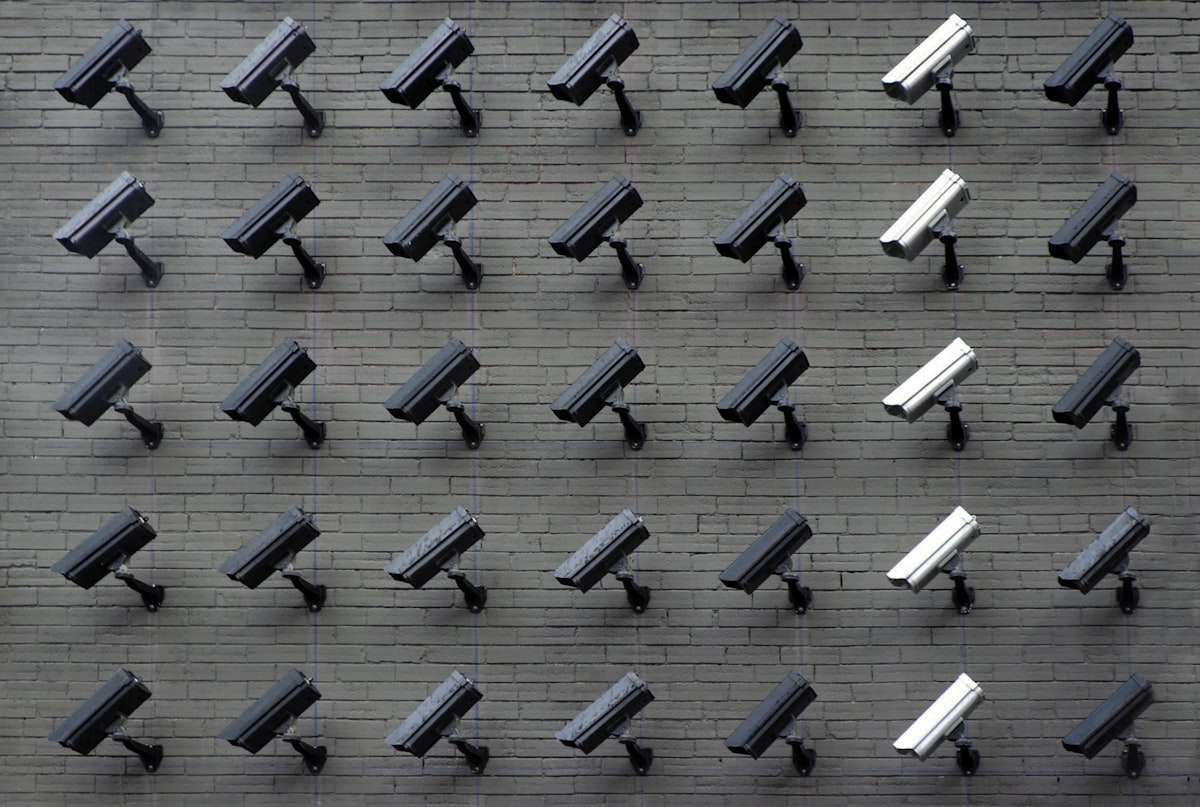
2. Güvenlik Kamera (CCTV) Sistemi
İzleme ve kayıt için kullanılan görüntü güvenlik sistemidir.
- IP kamera: 2 MP – 12 MP, PoE beslemeli, uzak erişim
- Analog (HD-CVI/AHD) kamera: Mevcut kablolama olan yerlerde
- NVR/DVR: 4-128 kanal kayıt, 7-90 gün depolama
- Markalar: Hikvision, Dahua, Axis, Bosch, Hanwha
3. Kartlı Geçiş ve Access Kontrol
Yetkili personel girişini düzenleyen, kayıt tutan sistemdir.
- RFID kart, parmak izi, yüz tanıma, mobil NFC
- Turnike, kapı kontrol, otopark bariyer
- PDKS (Personel Devam Kontrol) entegrasyonu
- Markalar: ZKTeco, Suprema, HID, Paxton
4. Data Altyapı ve Yapısal Kablolama
Bilgisayar, telefon, kamera ve sunucu bağlantılarının omurgasıdır.
- Cat6 / Cat6A / Cat7 bakır kablolama
- OS2 / OM4 / OM5 fiber optik kablolama
- TIA/EIA-568 ve ISO/IEC 11801 standartları
- Rack kabin, patch panel, switch, AP
5. Anons ve Müzik Yayın Sistemi
Bina genelinde duyuru, müzik ve acil tahliye anonsu yapan sistemdir.
- Bölgesel hoparlör hatları
- Voice Alarm (TS EN 54-16): Acil tahliye için sertifikalı
- Markalar: Bosch, TOA, Inter-M
6. Interkom ve Bina Diafonu
Daire içi-dışı görüntülü ve sesli iletişim sistemidir.
- IP interkom (uzak görüntüleme, mobil bağlantı)
- 2 telli sistem (eski binalar için)
- Markalar: Comelit, 2N, Akuvox
7. Hemşire Çağrı Sistemi
Hastane, huzurevi ve sağlık tesislerinde hasta-personel iletişimini sağlar.
- TS EN 50134 standartlı
- Yatak başı, banyo, koridor lambası
8. Bina Otomasyonu (BMS)
Aydınlatma, klima, asansör, enerji ve güvenlik sistemlerini tek merkezde yönetir.
- KNX, BACnet, Modbus, LonWorks protokolleri
- Schneider EcoStruxure, Siemens Desigo, Honeywell Niagara
Zayıf Akım Sistemi Kurulum Süreci
- İhtiyaç analizi ve risk değerlendirmesi
- Sistem tasarımı: AutoCAD topoloji, ekipman listesi, kablo metrajı
- Yetkili firma ve sertifika kontrolü (yangın için yetki belgesi şart)
- Kablo çekimi ve altyapı: Kanal, tava, boru sistemi
- Ekipman montajı: Dedektör, kamera, kart okuyucu, switch
- Programlama ve devreye alma: Adresleme, yazılım konfigürasyonu
- Test, eğitim ve teslim: Devre kabul testi, kullanıcı eğitimi, doküman
- Periyodik bakım anlaşması: Yangın sistemi için yasal olarak yılda 1 zorunlu
Yangın Algılama Sisteminin Yasal Zorunluluğu
Türkiye'de Binaların Yangından Korunması Hakkında Yönetmelik uyarınca aşağıdaki binalarda yangın algılama sistemi zorunludur:
- Konutlar 51 m üzeri ve toplam alan 2.000 m² üzeri
- Tüm hastane, otel, AVM, okul, kreş binaları
- Endüstriyel tesislerde tehlikeli madde içerenler
- Yapı denetim raporunda öngörülen tüm yapılar
DOA Enerji Zayıf Akım Hizmetleri
DOA Enerji Aydınlatma, Yangın algılama, CCTV, kartlı geçiş, data kablolama, anons, interkom ve bina otomasyonu sistemlerinde anahtar teslim kurulum yapmaktadır. Yangın algılama için Sivil Savunma yetki belgeli mühendis kadrosu, CCTV için Hikvision/Dahua sertifikalı uzmanlarımız ve data altyapı için AMP/Panduit/Legrand sertifikalı kablolama ekibi bulunmaktadır. Tüm projelerde 2 yıl garanti ve yıllık periyodik bakım hizmeti sunulur.
Sık Sorulan Sorular (SSS)
Zayıf akım nedir, kuvvetli akımdan farkı nedir?
Zayıf akım 48 V DC veya 50 V AC altında, sinyal/veri/sinüsoid iletimi için kullanılır (kamera, alarm, data). Kuvvetli akım ise 220-400 V AG ya da 6-36 kV OG ile elektrik enerjisi dağıtımı yapar (priz, motor, aydınlatma). Çekim kanalları yönetmelik gereği fiziksel olarak ayrılmalıdır.
Zayıf akım sistemi maliyeti ne kadar?
2026 fiyatlarıyla 500 m² ofis için temel paket (yangın+CCTV+data+kartlı geçiş) ~250.000-400.000 TL, 5000 m² AVM için ~1.500.000-3.500.000 TL. Maliyet sistem çeşitliliği, kamera/dedektör sayısı, marka ve kablo metrajına göre değişir.
CCTV için IP kamera mı analog mu seçmeliyim?
Yeni kurulumlarda IP kamera önerilir; daha yüksek çözünürlük (4-12 MP), PoE besleme (tek kablo), uzak erişim ve analitik özellikleri sunar. Mevcut koaksiyel kablolaması olan tesislerde HD-CVI / AHD analog kameralar ekonomik çözüm sağlar.
Yangın algılama sistemi bakımı zorunlu mu?
Evet, TS CEN/TS 54-14 ve Sivil Savunma yönetmeliği gereği yılda en az 1 kez yetkili firma tarafından periyodik bakım ve test yapılmalıdır. Dedektör temizliği, batarya kontrolü, sinyal testi ve sistem fonksiyon kontrolü kayıt altına alınmalıdır.
Kartlı geçiş sistemi PDKS ile entegre olur mu?
Evet, modern kartlı geçiş sistemleri (ZKTeco, Suprema, Paxton) PDKS (Personel Devam Kontrol Sistemi) ile entegre çalışır. SGK uyumlu çıktı, mesai hesabı, izin takibi ve fazla mesai raporu sunabilir. Cloud PDKS modülleri ile uzak şubeler tek merkezden yönetilebilir.